Home

How To Make Quiche is a step-by-step resource for mastering quiche; from crusts and custards to pans, ratios, and common mistakes.

  • Best Cheese Combinations for Quiche (Balanced Flavor & Texture)

    Best Cheese Combinations for Quiche (Balanced Flavor & Texture)

    Using a single cheese in quiche can work, but in my opinion combining cheeses almost always produces better results. The right pairing balances melt, flavor, and moisture so the custard stays creamy, sets properly, and slices cleanly. This guide explains why mixing cheeses works, the best cheese combinations for quiche, and which pairings to avoid…

  • Should You Cook Ingredients Before Adding Them to Quiche?

    Should You Cook Ingredients Before Adding Them to Quiche?

    There’s something quietly satisfying about making quiche. The slow pour of custard, the gentle arrangement of fillings, the way it all comes together in the oven. But if you’ve ever sliced into what should have been a perfect wedge only to find a watery, uneven mess, you know how quickly that satisfaction can turn to…

  • Best Cheeses for Quiche (Texture, Melt, and Moisture Explained)

    Best Cheeses for Quiche (Texture, Melt, and Moisture Explained)

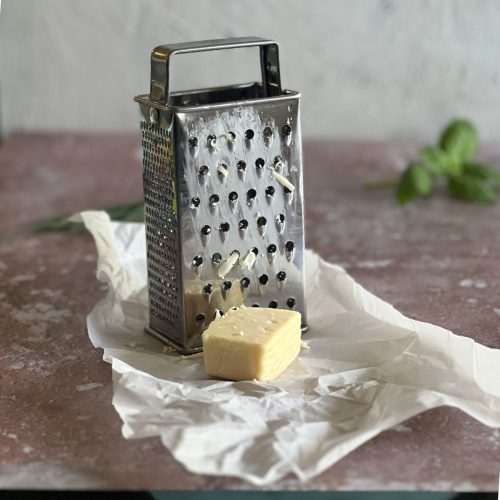
    Cheese plays a bigger role in quiche than most people realize. The wrong cheese can make a quiche watery, rubbery, greasy, or oddly grainy, even if your custard ratios are correct. The right cheese, on the other hand, melts smoothly into the custard, adds flavor, and helps create a creamy, sliceable texture. This guide breaks…

  • Why Is My Quiche Watery? Fixing Runny Quiche Filling

    Why Is My Quiche Watery? Fixing Runny Quiche Filling

    Few things are as frustrating as pulling your quiche from the oven only to find it hasn’t set properly. Instead of a firm, sliceable custard, you’re left with a soupy, watery mess that falls apart on the plate. Understanding why this happens, and how to prevent it is key to mastering this classic dish. The…

  • Stop Over Baking Your Quiche: How to Get the Perfect Texture

    Stop Over Baking Your Quiche: How to Get the Perfect Texture

    A perfectly baked quiche should be creamy, silky, and just a little jiggly in the center. But many home cooks, worried about under cooking, leave their quiche in the oven too long and end up with a rubbery, curdled disaster. Learning to recognize when your quiche is done, and having the courage to take it…

  • Why Your Quiche Is Rubbery (And How to Get a Creamy Texture)

    Why Your Quiche Is Rubbery (And How to Get a Creamy Texture)

    Quiche should be tender and creamy, not stiff or bouncy. A rubbery texture almost always means the eggs were overcooked or overpowered. What It Looks Like Why It Happens Too many eggsExcess eggs create a firm, eggy structure instead of a custard. OverbakingEgg proteins tighten as they cook, squeezing out moisture. High oven heatFast cooking…