A perfectly baked quiche should be creamy, silky, and just a little jiggly in the center. But many home cooks, worried about under cooking, leave their quiche in the oven too long and end up with a rubbery, curdled disaster. Learning to recognize when your quiche is done, and having the courage to take it out before it looks “finished” is one of the most important skills in quiche-making.
The Science of Overcooking
Quiche is essentially a savory custard made from eggs and dairy. When eggs cook, their proteins coagulate and transform from liquid to solid. This is exactly what you want, to a point. But when eggs cook too long or at too high a temperature, those proteins over-coagulate and squeeze out the liquid they were holding. This process, called syneresis, is what causes that unpleasant curdled texture and the watery puddles that form around an overcooked quiche.
How to Tell When Quiche Is Done
The secret to a perfectly cooked quiche is counterintuitive: take it out when it doesn’t look quite done. Here’s what to look for:
The Wobble Test
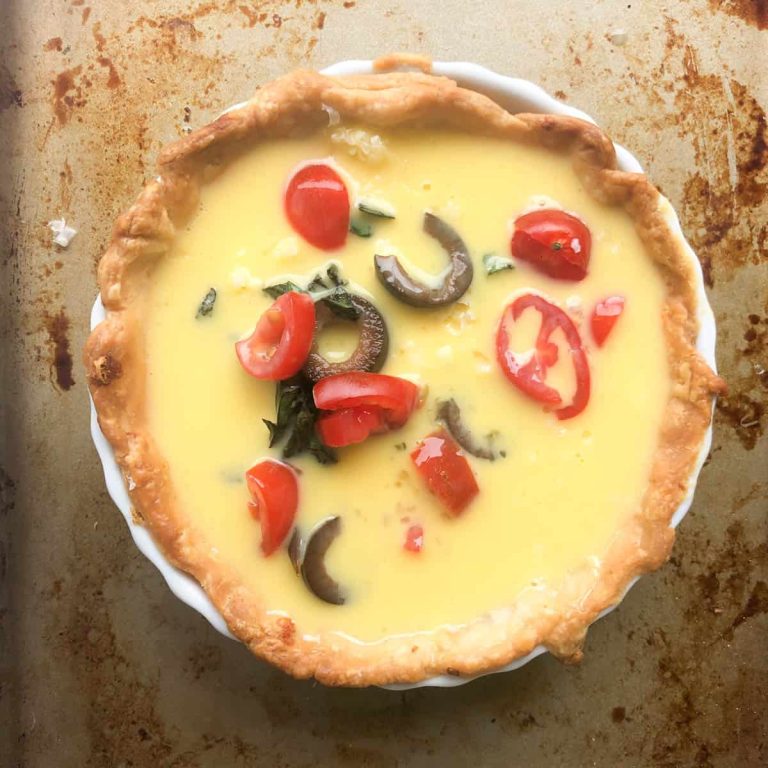
When you gently shake the pan, the edges of the quiche should be completely set and firm, but the center should still have a slight wobble—similar to gelatin or panna cotta. This wobble is your friend. It’s the sign of a custard that’s silky and creamy, not overcooked and rubbery.
Many bakers panic at this wobble, thinking the quiche is undercooked. But here’s the critical fact: quiche continues cooking after you remove it from the oven. The residual heat in the dish will finish cooking that jiggly center as it sits at room temperature, transforming it into a perfectly set custard.
The Visual Cues
A properly baked quiche should have:
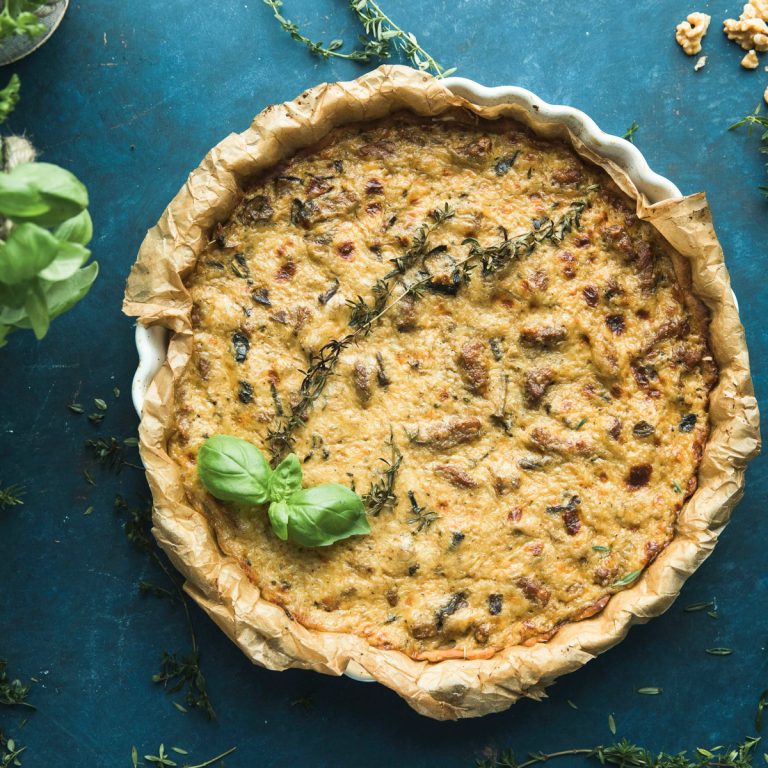
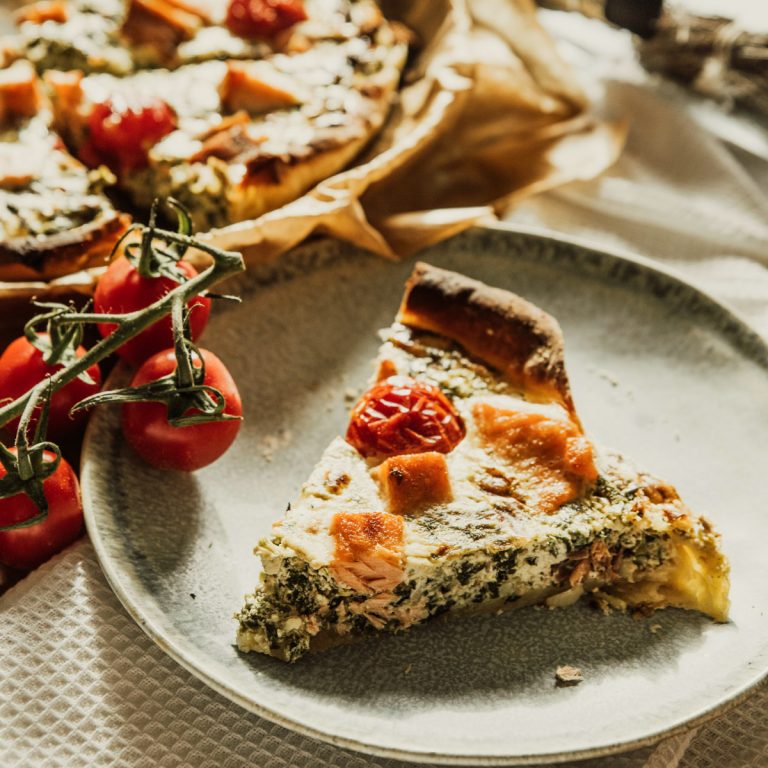
- Lightly golden, puffed edges that are set and firm
- A center that looks slightly wet but not liquid
- A surface that jiggles as one unit, not in liquid waves
- No wet, sloshing custard when you tilt the pan
The Knife Test Alternative
Some recipes suggest inserting a knife into the center and checking if it comes out clean. While this works, it’s not always necessary and can leave an unsightly hole in your quiche. If you do use this method, insert the knife about halfway between the center and the edge, not in the dead center. It should come out mostly clean with perhaps a bit of creamy custard clinging to it.
Temperature and Timing Guidelines
While the visual wobble test is your most reliable indicator, understanding proper baking temperatures helps prevent overcooking:
The Two-Temperature Method
Many professional bakers use a two-stage baking process:
- Start at 400°F for 10 minutes to set the structure
- Reduce to 325°F and bake until the edges are set but the center wobbles
This technique helps the quiche cook more evenly, preventing the edges from overcooking while waiting for the center to set.
Single Temperature Approach
If you prefer simplicity, baking at a steady 350-375°F works well. Just watch carefully for that wobble in the center. Most standard quiches take 35-45 minutes, but this varies based on depth and ingredients.
What Happens When Temperature Is Wrong
Baking at too high a temperature causes the custard to cook too quickly, resulting in a tough, curdled texture even if you remove it at the right visual stage. The proteins coagulate so fast that they squeeze out liquid, creating that dreaded watery, rubbery quiche.
Conversely, too low a temperature means extended baking time, which can also lead to overcooking as the prolonged exposure to heat eventually causes the same protein problems.
The Cooling Period Is Part of Cooking
This cannot be stressed enough: you must let your quiche rest at room temperature for at least 15-20 minutes after removing it from the oven. During this time, carryover cooking finishes the job, and the custard sets to its final texture.
Cutting into a quiche immediately after baking is a recipe for disaster. Not only will the custard be too soft to slice cleanly, but you’ll also miss out on the final transformation that happens during resting.
Signs You’ve Over baked
If you missed the ideal moment and left your quiche in too long, you’ll notice:
- A tough, rubbery texture instead of creamy smoothness
- Liquid pooling around the edges or in pockets throughout
- A grainy or curdled appearance instead of smooth custard
- The quiche pulling away from the sides of the pan
- A surface that looks dry rather than glossy
How to Prevent Over baking
- Set a timer for 5-10 minutes before you think it will be done and start checking
- Trust the wobble even if it feels wrong—that jiggle means perfection
- Use an oven thermometer to ensure your oven temperature is accurate
- Position on the bottom rack for even heat distribution
- Remember that deeper quiches take longer than shallow ones
- Don’t walk away during the final 15 minutes of baking—this is when things can go wrong quickly
A Note on Convection Ovens
If you’re using a convection oven, reduce the temperature by 25°F from what the recipe calls for, or reduce the baking time. Convection ovens circulate hot air more efficiently, which can cause faster cooking and easier overcooking if you’re not careful.
The Bottom Line
The perfect quiche walks a fine line between just-set and overcooked, and that line is marked by a gentle wobble in the center. Fighting your instinct to “cook it until it’s firm” is difficult, but essential. Remember: a quiche with a slight jiggle when it comes out of the oven will be perfectly set after resting. Trust the process, embrace the wobble, and you’ll be rewarded with a quiche that’s creamy, smooth, and absolutely delicious—not rubbery and disappointing.
The next time you make quiche, watch for that wobble and have the courage to take it out even when it looks slightly underdone. Your patience and trust will result in a custard texture that’s truly restaurant-quality.
More information to help you make the best quiche include the Troubleshooting guide and Techniques for the best Quiche.