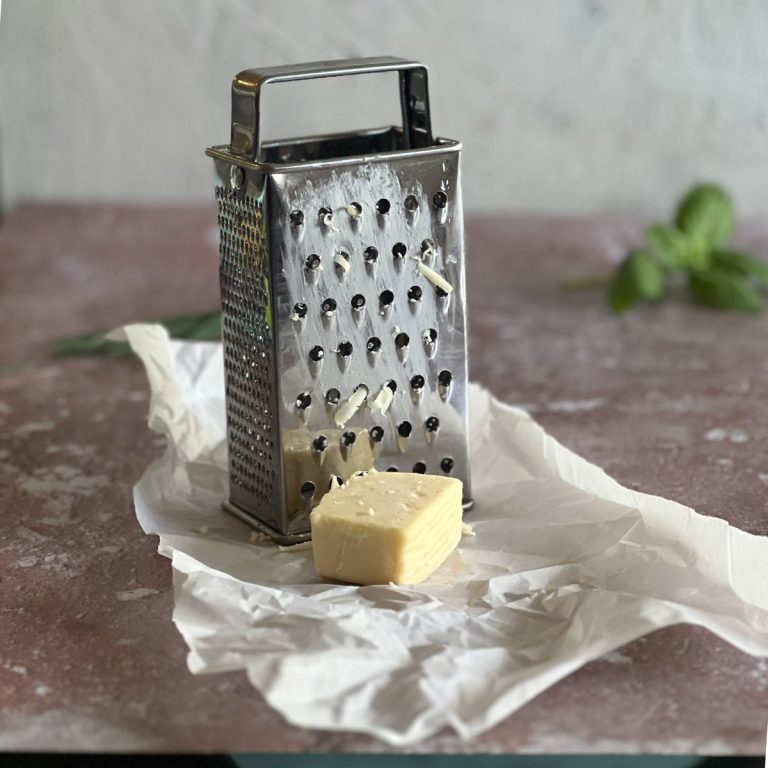
Cheese plays a bigger role in quiche than most people realize. The wrong cheese can make a quiche watery, rubbery, greasy, or oddly grainy, even if your custard ratios are correct. The right cheese, on the other hand, melts smoothly into the custard, adds flavor, and helps create a creamy, sliceable texture.
This guide breaks down the best cheeses for quiche, what each one contributes, and which cheeses to use carefully—or avoid altogether.
What Makes a Cheese Good for Quiche?
The best cheeses for quiche share a few key traits:
- Good melting ability without separating
- Moderate moisture content (not too wet, not overly dry)
- Balanced fat content that enriches the custard without making it greasy
- Clean flavor that complements eggs instead of overpowering them
Cheeses that are extremely wet, very aged, or designed to be eaten fresh often cause texture problems when baked into custard.
The Best Cheeses for Quiche
Gruyère
Best all-purpose quiche cheese
Gruyère is the gold standard for quiche. It melts evenly, blends beautifully with eggs, and adds a savory, slightly nutty flavor without excess moisture.
- Excellent melt
- Low risk of greasiness or water release
- Ideal for classic and savory quiches
If you’re unsure what cheese to use, Gruyère is almost always a safe choice.
Swiss
A lighter alternative to Gruyère
Swiss cheese behaves similarly to Gruyère but with a milder flavor. It melts well and doesn’t release much liquid during baking.
- Good for vegetable-forward quiches
- Less assertive flavor
- Still custard-friendly
Cheddar (Sharp or Mild)
Best for bold flavor, with a caveat
Cheddar works well in quiche, but it should be used thoughtfully. Very sharp cheddar can become oily, especially in large amounts.
- Strong flavor
- Melts well when balanced with other cheeses
- Best used grated finely and not overloaded
For best results, combine cheddar with a creamier cheese rather than using it alone.
Fontina
Creamy and smooth
Fontina melts exceptionally well and adds richness without overpowering the custard.
- Silky texture
- Excellent melt
- Works well in combination with vegetables or meats
Comté
A refined, nutty option
Similar to Gruyère but slightly more complex, Comté adds depth while maintaining excellent melting properties.
- Smooth melt
- Rich but balanced
- Ideal for more elevated flavor profiles
Monterey Jack
Mild and forgiving
Monterey Jack melts easily and stays creamy, making it a good option for beginner quiche makers or heavily seasoned fillings.
- Neutral flavor
- Good moisture balance
- Easy to pair with stronger ingredients
Cheeses That Need Caution in Quiche
These cheeses can be used, but they require adjustments or moderation.
Mozzarella
Mozzarella releases water as it melts, which can lead to a watery filling if used in large amounts.
- Use low-moisture mozzarella only
- Combine with firmer cheeses
- Avoid fresh mozzarella in quiche
Feta
Feta adds strong flavor but does not melt smoothly.
- Best used sparingly
- Crumble finely
- Balance with creamier cheeses to avoid dryness
Goat Cheese
Goat cheese doesn’t melt—it softens.
- Can create pockets of tangy flavor
- Best in small amounts
- Pair with a smooth-melting cheese for balance
Cheeses That Are Poor Choices for Quiche
Some cheeses consistently cause texture problems:
- Fresh mozzarella
- Ricotta
- Cottage cheese
- Cream cheese (in large amounts)
These cheeses hold or release too much moisture and disrupt the custard structure, often leading to a quiche that won’t set properly.
How Much Cheese Should You Use?
Cheese should enhance quiche—not overwhelm it.
A good general guideline:
- Cheese should make up no more than about one-third of the solid fillings
- Too much cheese can prevent the custard from setting and lead to greasiness
For a standard quiche, this usually means ¾ to 1 cup of grated cheese, depending on the type.
Cheese and Quiche Texture Problems
Cheese choice is often part of the problem. High-moisture or high-fat cheeses can break the custard structure even when egg-to-dairy ratios are correct. If you are experiencing issues like, runny filling, rubbery texture, and unset middle You may want to review the posts below:
The best cheeses for quiche melt smoothly, contribute flavor without excess moisture, and work with the custard—not against it. When in doubt, start with Gruyère or Swiss, keep quantities reasonable, and balance stronger cheeses with creamier ones.
Choosing the right cheese is one of the simplest ways to improve quiche texture and consistency—no recipe changes required.