There’s something quietly satisfying about making quiche. The slow pour of custard, the gentle arrangement of fillings, the way it all comes together in the oven. But if you’ve ever sliced into what should have been a perfect wedge only to find a watery, uneven mess, you know how quickly that satisfaction can turn to frustration.
Here’s the truth: not everything needs to be cooked before it goes into your quiche. But some things absolutely do. And this one choice, whether to pre-cook your ingredients or add them raw affects the final texture more than most people realize. In fact, this is one of the most common reasons why quiche turns watery or refuses to set properly.
Why This Matters in Quiche
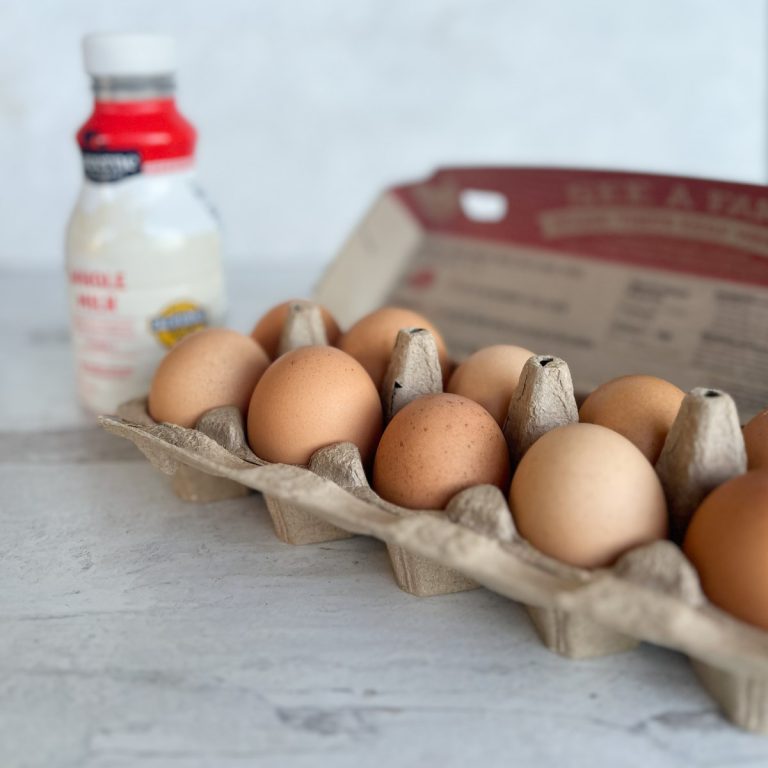
Quiche isn’t just eggs and cream baked in a crust. It’s a delicate custard that needs precise conditions to set correctly. When you add raw ingredients that release moisture as they cook, that liquid has nowhere to go. It dilutes the custard, prevents proper coagulation, and leaves you with a soggy filling that never quite firms up.
The custard itself—those eggs and dairy you’ve carefully whisked together—sets through a process of gentle heat causing the proteins to bond. But if those proteins are swimming in extra water released from mushrooms, spinach, or onions, they can’t form the stable structure you need. The result is a quiche that looks done on top but stays loose underneath, or one that weeps liquid when you cut into it.
Raw ingredients also behave differently in eggs than they do in other cooking methods. They don’t have direct contact with the heat source. They’re insulated by custard and crust, which means they cook more slowly and unevenly. Vegetables that would normally crisp in a pan will steam instead, releasing all their moisture directly into your filling.
Ingredients That Should Always Be Cooked First
Some ingredients simply have too much water content or require too much cooking time to add raw. These are the ones that cause most quiche failures.
Mushrooms
Mushrooms are nearly 90% water. When you add them raw to quiche, they release all of that moisture as they cook, flooding your custard with liquid it can’t absorb. What you need to do is cook them in a hot pan until they’ve released their water and it’s evaporated—usually 5 to 7 minutes. You’ll see them shrink considerably and turn golden at the edges. That’s when they’re ready.
Spinach & Leafy Greens
Fresh spinach wilts down to almost nothing, and that “almost nothing” is mostly water. A generous handful of raw spinach added to quiche will turn into a sodden, stringy mess surrounded by thin custard. Instead, wilt it quickly in a pan, then squeeze it firmly in a clean kitchen towel to remove as much moisture as possible. Kale, chard, and other leafy greens need the same treatment.
Onions & Leeks
Raw onions don’t just release moisture—they also remain crunchy and harsh-tasting in quiche. They need heat to soften their cell structure and develop sweetness. Cook them until they’re soft and translucent, which takes about 8 to 10 minutes over medium heat. For leeks, cook them until they’re completely tender and any moisture has cooked off. If you’re looking for more guidance on which vegetables work best in quiche, check out our guide to the best vegetables for quiche.
Meat, Bacon & Sausage, etc.
Raw meat products need to be fully cooked before they go into quiche, both for food safety and to render out excess fat. Bacon should be cooked until crisp, then drained on paper towels. Sausage should be crumbled and browned completely, with the fat drained off. Don’t ever add raw meat, they’ll release grease into your custard and won’t cook through properly in the oven.
Ingredients That Can Go in Raw
Not everything needs pre-cooking. Some ingredients are dry enough, mild enough, or stable enough to go directly into your unbaked quiche.
Most Cheeses
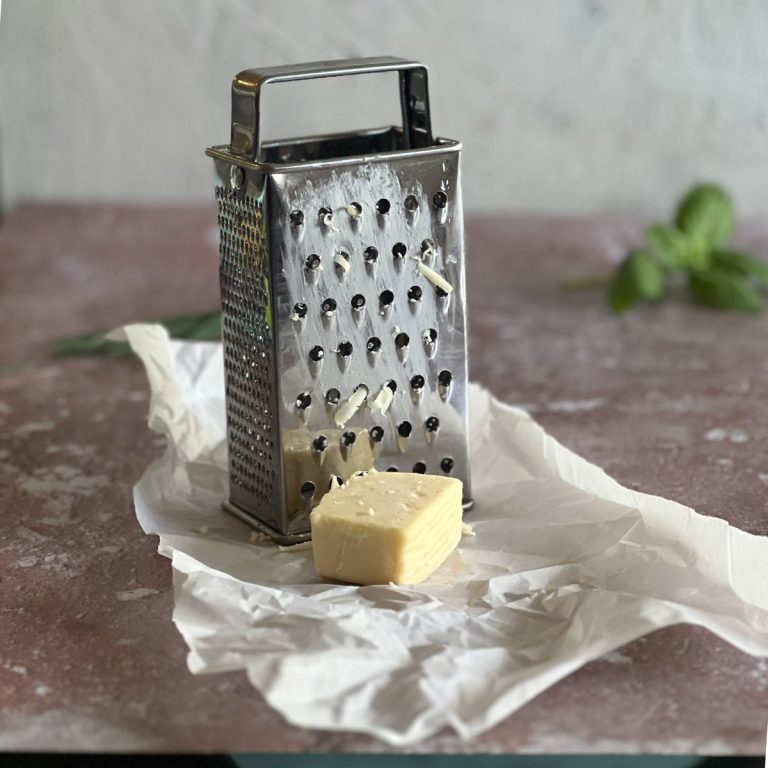
Cheese is already a concentrated dairy product with relatively low moisture content. Hard cheeses like Gruyère, cheddar, and Parmesan are particularly safe to add raw because they melt into the custard rather than releasing liquid. Even softer cheeses like goat cheese or feta work well because they’re stable in their moisture content and won’t suddenly release water when heated. For more details on choosing cheese for quiche, we have a full breakdown.
Tender Vegetables
Scallions, fresh herbs, thinly sliced bell peppers, and cherry tomatoes (sliced thin) can generally go in raw. They either have relatively low water content to begin with, or they’re cut thin enough that any moisture they release gets absorbed by the custard without overwhelming it. The key is that they’re tender—they don’t need extended cooking to become palatable.
Pre-Cured Meats (With Caveats)
Things like prosciutto, ham, or cooked deli meats are already fully cooked and relatively dry. They’re safe to add directly to quiche. However, if you’re using a particularly fatty ham or a meat that’s been stored in liquid, you’ll want to pat it dry first. Any surface moisture can still contribute to a watery filling.
The reason these ingredients work raw is simple: they don’t undergo a dramatic transformation when heated. They won’t suddenly collapse and release liquid, and they don’t need extended time to become tender or safe to eat.
Partially Cooked vs Fully Cooked: The Middle Ground
This is where experience and judgment come into play. Not every ingredient needs to be cooked to completion before it goes into quiche. Sometimes you’re just taking the edge off or removing excess moisture.
When you’re softening vegetables like onions or peppers, you don’t necessarily need to caramelize them deeply unless you want that specific flavor. Often, just cooking them until they’re softened and any visible moisture has evaporated is enough. The goal is removing water, not developing complex browning.
But sometimes flavor does matter more than moisture. If you want deeply caramelized onions or crispy, well-browned mushrooms, you’ll need to cook them longer. The good news is that once you’ve cooked out the moisture, additional cooking for flavor won’t hurt your quiche—it will only help it.
“Just cooked” means the ingredient is tender, any liquid has evaporated from the pan, and the rawness is gone. You should be able to taste it and think, “I’d be happy eating this as is.” That’s your benchmark. If you want to understand more about how the custard itself should behave during baking, read our guide to creating the perfect quiche custard base.
Quick Decision Guide
When you’re standing at your counter wondering whether something needs pre-cooking, here’s how to think through it:
High water content → cook first. If it would release liquid when heated (mushrooms, zucchini, spinach), cook it until that moisture is gone.
Already dry → usually safe raw. Cheese, cured meats, and dry herbs can go straight in.
Needs softening → cook lightly. Onions, leeks, and firm vegetables should be softened until tender but don’t need deep browning unless you want it.
Unsure → cook lightly. When in doubt, a quick sauté removes risk. A few minutes in a pan won’t hurt anything and might save your quiche.
Releases fat → cook and drain. All raw meats, bacon, sausage, etc. should always be fully cooked and drained before adding.
You Can Fix This
If you’ve been adding everything raw and wondering why your quiche never turns out quite right, this is likely the answer. The good news is it’s completely fixable. You don’t need to become a better baker or invest in special equipment. You just need to spend five extra minutes at the stove before you pour your custard, and that small step makes a big difference.
One small step—cooking the ingredients that need it—prevents most quiche failures. It’s the difference between a clean slice and a watery puddle, between custard that sets properly and one that stays loose. Once you get in the habit of pre-cooking high-moisture ingredients, quiche becomes remarkably consistent.
For more ways to improve your technique and troubleshoot common issues, explore our complete guide to quiche techniques.